Fair question. This page is the straight answer, laid out in full before either of us talks about money.
You already run Google ads. You have real case results most firms would kill for. A $4M hotel recovery and a $1.8M apartment complex are sitting on your website doing far less work than they should be.
So no, I'm not going to pitch you "better ads." If your current setup already does everything on this page, you genuinely don't need me, and I'll tell you that on the call. But in my experience auditing spend for service businesses, three gaps show up in almost every firm that buys clicks, and each one quietly costs more than the ad budget itself.
Legal clicks in Florida are some of the most expensive on Google. Most visitors read, compare, and leave without calling. If nothing follows them afterward, that money bought a single pageview. Retargeting those exact people on Meta and YouTube costs a fraction of what the first click did, and almost no insurance dispute firm does it.
A policyholder who just got denied is calling two or three firms in one sitting, often at night, after work, with the letter in their hand. The first firm that responds like it wants the case usually gets the case. If intake runs on office hours and voicemail, the ad spend runs 24/7 but the firm only shows up for a third of it.
Spend is known. Calls are known. But which channel, which campaign, which keyword actually produced retained clients? Without that number, budget decisions are opinions. With it, they're arithmetic. This is the single question I'd ask whoever runs your ads today, and if they can answer it, keep them.
Search captures people already looking for an attorney. That part you know. What changes: every campaign gets measured against signed cases, not clicks, with dedicated landing pages per claim type instead of general site pages.
Nobody searches "insurance dispute attorney" until weeks after the denial. Meta reaches them earlier: the homeowner staring at a lowball offer, the condo board sitting on a stalled claim. Plus retargeting for every expensive Google click that didn't convert.
Missed calls get a text back in seconds. After-hours inquiries get answered instantly and booked into a case review slot. No-shows get reminded. Every lead gets followed up until there's a yes or a no, automatically.
Every month you see what was spent, what was signed, and what each signed case cost, split by Google, Meta, and organic. If a channel can't justify itself, I'll be the one telling you to cut it.
It also keeps me honest. You'll see whether this engine pays for itself in signed cases, in plain numbers, from the first month.
Peak hurricane season is the first two weeks of September. You practice in five states that sit in its path.
When a named storm makes landfall, the denials and lowball offers follow it in waves for months. The firms that sign those cases are the ones whose campaigns and intake are already standing when it happens, not the ones who start building in the aftermath.
Part of this build is a storm playbook: campaign assets pre-built for hurricane, wind, and flood disputes in each of your five states, ready to switch on within 48 hours of landfall. Nobody running "some Google ads" has that sitting on the shelf.
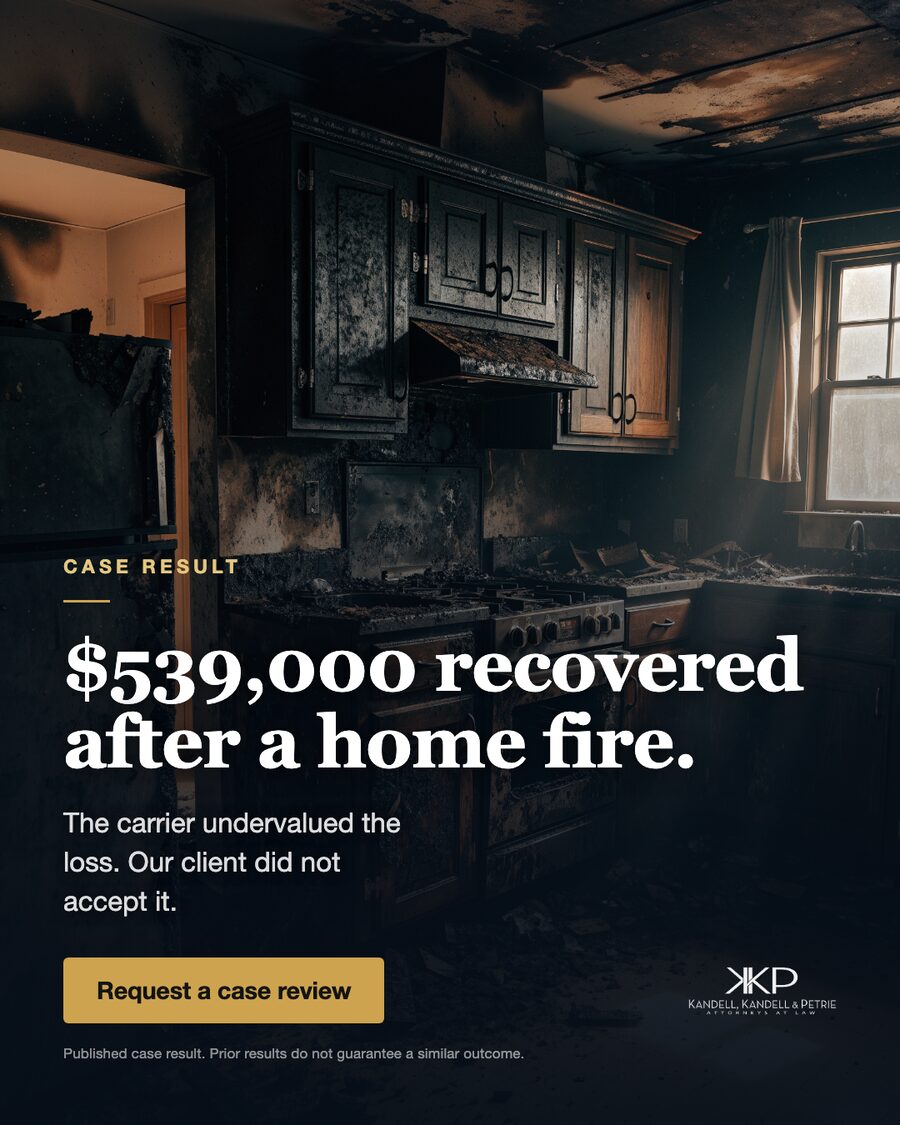
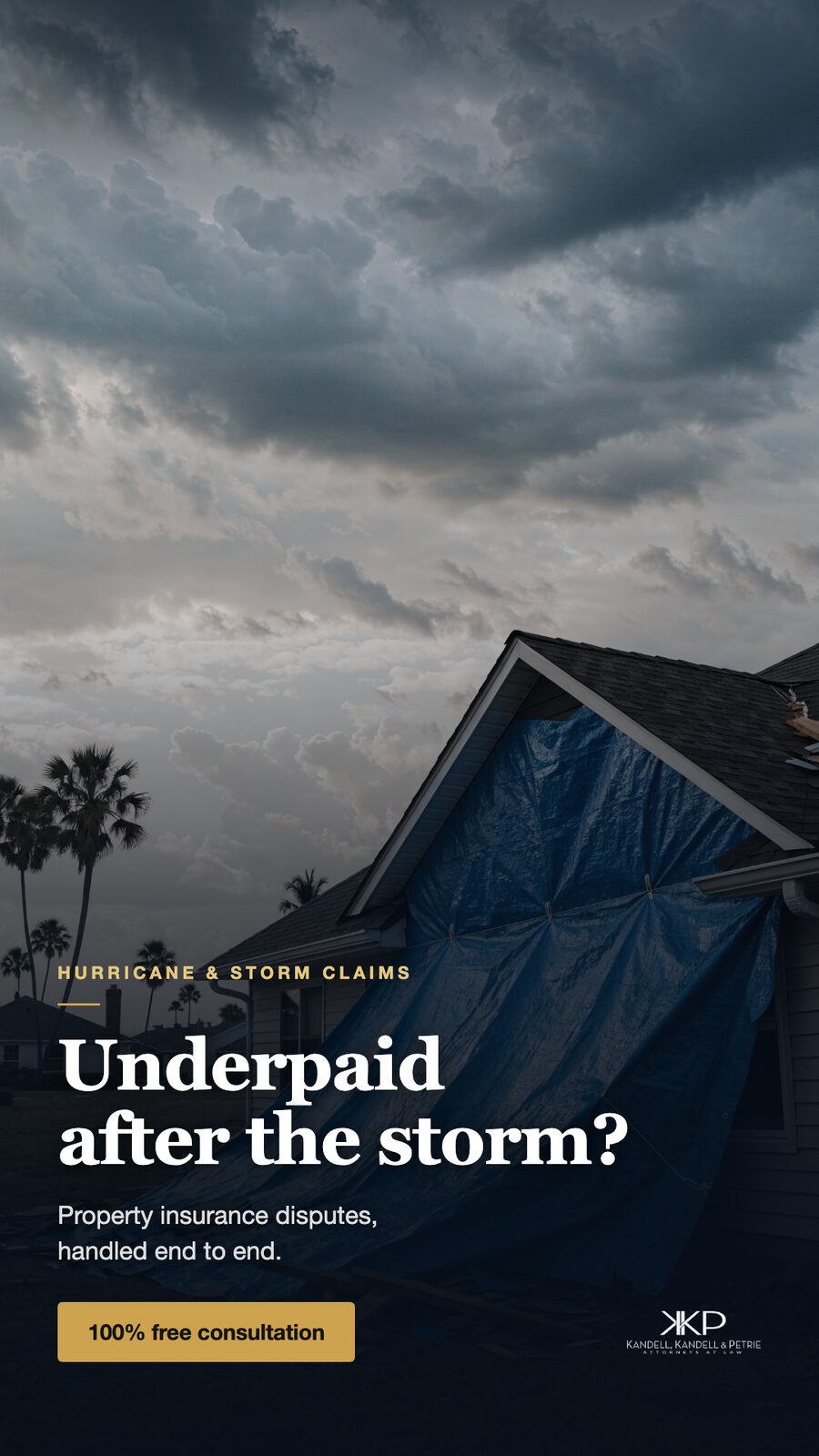
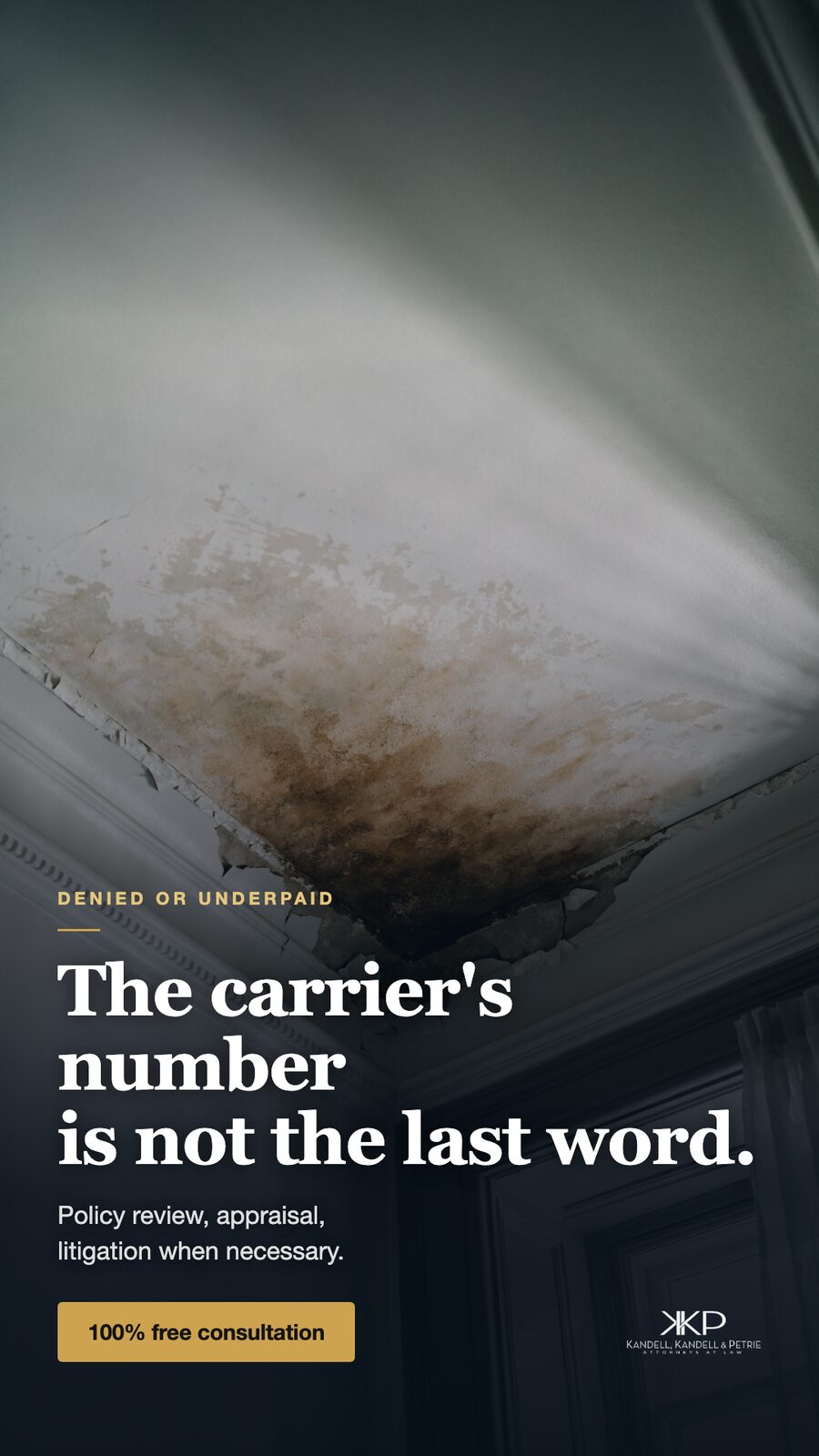
I built your first creative set before writing this page, using your brand, your practice areas, and a case result you've already published. Different ads for different doors: denied claims, underpaid settlements, hurricane disputes, condo associations, wind versus flood.

Every ad runs through your compliance review before a dollar is spent. Results-based creative carries the required disclaimer, and nothing goes live without your sign-off.
Full read of the current Google account, tracking, and intake flow. The speed-to-lead rail goes up before any new spend: missed-call text back, after-hours capture, booking, reminders.
Retargeting first, since it's the cheapest signed case available: your past visitors already know you. Then the demand campaigns, with the creative above, through your compliance review.
Claim-type landing pages replace general pages. Call tracking ties every inquiry to its source. Anything the audit cleared keeps running untouched.
Spend, inquiries, case reviews booked, cases signed, cost per signed case by channel. And an honest recommendation, including "cut this" wherever the numbers say so.
I left pricing off this page on purpose. The number depends on scope, and scope depends on a conversation about what your current setup already covers.
Text me back on the thread where you got this link and we'll set a time this week.
rio@uprisegrowth.io →